SHALA + SAGE is a Manchester-based studio founded by Jess, whose yoga journey has taken her across continents. Rooted in embodied practice and a meeting point of Eastern tradition and Western lived experience, the studio offers movement, stillness, and ritual as pathways back to the self. In this interview, Jess shares the story behind SHALA + SAGE and the philosophy that shapes its calm, intentional space.
How did you [studio owner Jess] discover yoga, and what was your journey from student to teacher to studio owner?
I discovered yoga in my early twenties while living in London, and it quickly became part of my everyday life. At the time I was working in a busy corporate role, but I could feel a strong pull towards change and a desire to deepen my practice. In 2016 I left London and travelled to Rishikesh in India to complete my first 200 hour teacher training (I sound like a cliché, but doing my initial training in the home of Yoga was one of the best experiences of my life).
After some travelling I arrived in New Zealand in 2017, where my teaching journey truly began. I started by hosting my own classes and very quickly began teaching at some of the biggest studios in the city. One studio in particular, close to where I lived, became my base for much of my teaching career and was also where I first discovered and fell in love with Manduka products.
While living in New Zealand I trained in Embodied Flow, a somatic style of yoga that uses the body as a pathway back to the self. I later moved to Melbourne, where the yoga scene is incredibly vibrant, before eventually returning to England with my now husband, and two small children.
We spent time in London, then a year in the Lake District, before settling in Manchester, where we now live. At this time,I focused on private classes from my home. I had just given birth to my first son when we moved, so teaching in studios was not on my radar. There was also no local studio that truly resonated with me, so I spent three years looking out for a commercial property where we live and finally found our beautiful space.
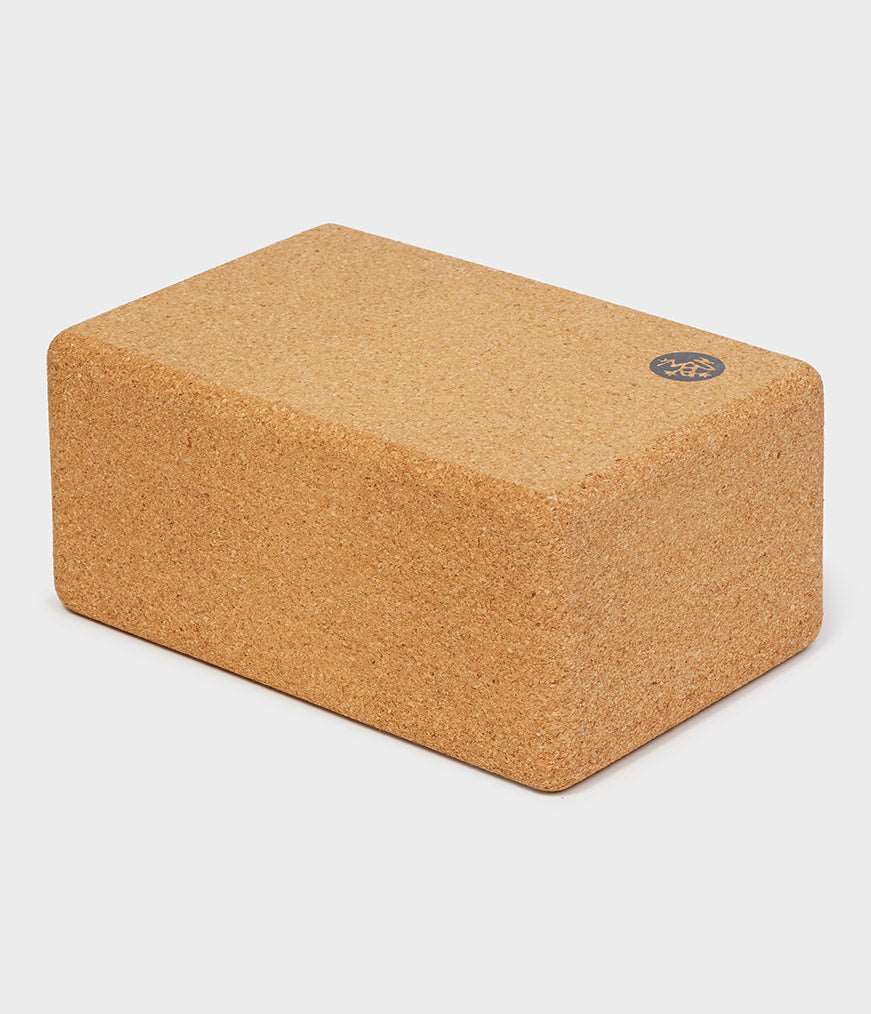
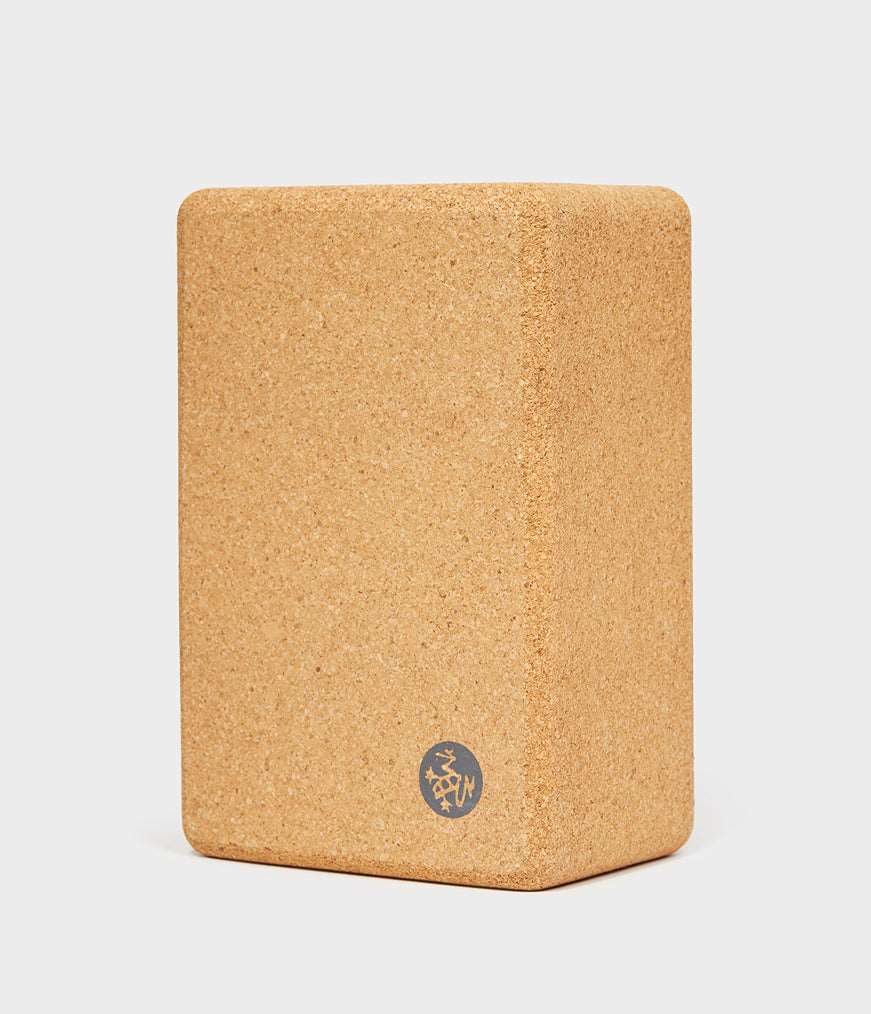
Since opening, the growth of the studio has been beyond anything I imagined. We have built a beautiful, supportive community and are incredibly fortunate to work with such talented teachers. Our ethos is rooted in honouring the eastern traditions of yoga, something we are often told we hold with integrity and care as well as honouring the western roots of our UK lands. The space itself is intentionally designed to calm the mind, with white walls, natural materials and thoughtfully chosen props that support the practice. We are over a year in now and so excited for what we have in store.

SHALA + SAGE is described as a meeting point of East and West traditions. What does this balance mean in practice, and how does it shape the studio?
At its core, we are an embodied studio. We use the body as a tool for coming back to the self, and that really shapes how everything is taught and experienced. When we talk about East and West, we’re honouring yoga’s traditional Eastern roots while also embracing our Western heritage and the world we live in now.
In practice, that means heartfelt, embodied teaching rather than something overly intellectual or performative. The Eastern lineage gives depth, grounding and respect for the practice, while the Western influence shows up through ritual, simplicity, connection to nature and an understanding of modern life.
Your offerings span yoga, somatics, holistic psychology, and ritual. How do these practices come together to support a sense of wholeness for your students?
All of our offerings are different ways of supporting the same intention, helping people come back into relationship with themselves. We are firm believers that individuals are already whole. The world around us can be loud, messy and demanding, and over time we pick up layers of conditioning that pull us away from who we really are. Rather than trying to fix anything, our work is about gently peeling those layers back.
Yoga and somatic practices bring awareness into the body, psychology helps people make sense of their inner world, and ritual adds meaning and connection. We use the body as the pathway back to the self, not as something to move beyond. Our classes invite people to land more fully in themselves, to listen, feel and remember what’s already there, offering a return to wholeness rather than chasing something that feels distant or unattainable.
The idea of a “return to your sacred self” is central to SHALA + SAGE. How do you invite students to explore this through movement, stillness, and reflection?
For us, a return to the sacred self is not about becoming something new or reaching a higher state, it’s about remembering what’s already there. We invite students into this through embodied movement that encourages them to feel rather than perform, to notice sensation, breath and inner response. Using the body as the entry point helps people come out of their heads and back into direct experience.
Stillness is just as important. Moments of pause allow space for integration, for the nervous system to settle and for awareness to deepen. Reflection might be as simple as a closing question, a short journaling prompt, or an invitation to notice how they feel as they leave the space. Nothing is forced or over explained. By moving, resting and reflecting in this way, students are gently supported to peel back layers of noise and conditioning and reconnect with a sense of wholeness that already exists within them.

How would you describe the energy of the studio space itself, and what do you hope people feel when they arrive and when they leave?
The energy of the studio is calm, grounded and intentionally neutral. With my background in psychology and a strong focus on lived experience, the space has been designed to support the nervous system rather than stimulate it. We’ve kept things clean, clear and simple because the brain is constantly taking in information, and when there is too much visual or sensory input it can keep the nervous system in a heightened state. A neutral, uncluttered environment helps signal safety, allowing the mind to soften and the body to relax.
When people arrive, I hope they feel an immediate sense of ease, like they can exhale and let go of the outside world. When they leave, I hope they feel more settled in themselves, clearer, and more connected to their bodies and inner world, carrying that sense of calm back into their day.
Ritual plays an important role in your work. How do ritual and intention show up in classes, workshops, or gatherings at SHALA + SAGE?
Ritual shows up for us in simple, grounded and very intentional ways. We honour many Western traditions, such as the equinoxes and solstices, as a way of staying connected to the natural rhythms of the land and the seasons we’re moving through. These moments give people a chance to pause, reflect and mark change, both externally and within themselves.
Before every class we offer herbal tea, always 100 percent pure and sometimes blended by me. That act alone is a ritual, an invitation to slow down, arrive in the space and begin the transition from the outside world into practice. We also cleanse the space regularly, not in a performative way, but as a way of caring for the environment and setting a clear, intentional space for whatever is about to unfold. Through classes, workshops and gatherings, ritual helps create a sense of meaning, presence and connection, reminding people that practice begins the moment they arrive, not just when they step onto the mat.

Your schedule offers both embodied and introspective practices. How do you support students in listening to their bodies and choosing what they need on any given day?
We place a lot of emphasis on choice and self-trust. From the way classes are described to how teachers cue and hold space, students are constantly reminded that their body is the guide. There’s no expectation to practise in a certain way or to always do more. Some days that might mean moving, other days it might mean resting, and both are equally valid.
By offering a range of embodied and introspective practices, we’re inviting people to check in with themselves rather than follow habit or pressure. Over time, this helps students build a deeper relationship with their bodies and nervous systems. The practice becomes less about pushing or achieving and more about listening, responding and honouring what’s actually needed in that moment.
Community is an important part of growth. How does connection and shared experience come to life within the Shala Sage community?
Community at Shala Sage feels very real and very lived in. It’s grown through shared experience, time and genuine care rather than anything forced. Our community celebrates milestones with us, people have shown up with cakes, kind words and support, and there’s a real sense that everyone is invested in the space and its journey.
My children are a big part of that. I have a one year old and a four year old, and they’re truly part of the community. People have watched them grow, held them, played with them and love them deeply. I was pregnant with Juno (my second) when I got the keys to the studio, so in many ways he’s grown alongside the space and has been part of the whole journey from the very beginning. That shared history creates a strong sense of connection.
We also make time to pause and chat before and after class, which feels just as important as the practice itself. Many of our teachers say that the sense of community is one of their favourite parts of working here. It feels warm, supportive and human, a place where people feel known and welcomed, not just as students, but as part of something shared.

As we’ve stepped into a new year, are there any intention setting rituals or journaling prompts you’d like to share with readers to easily practice at home to ground their routines for the year ahead?
For journaling, I often return to questions that bring you back into relationship with yourself:
What parts of me am I ready to meet more honestly this year?
What no longer feels true or supportive?
Where do I feel most alive, most grounded, most myself?
Why did you choose Manduka as your studio equipment partner?
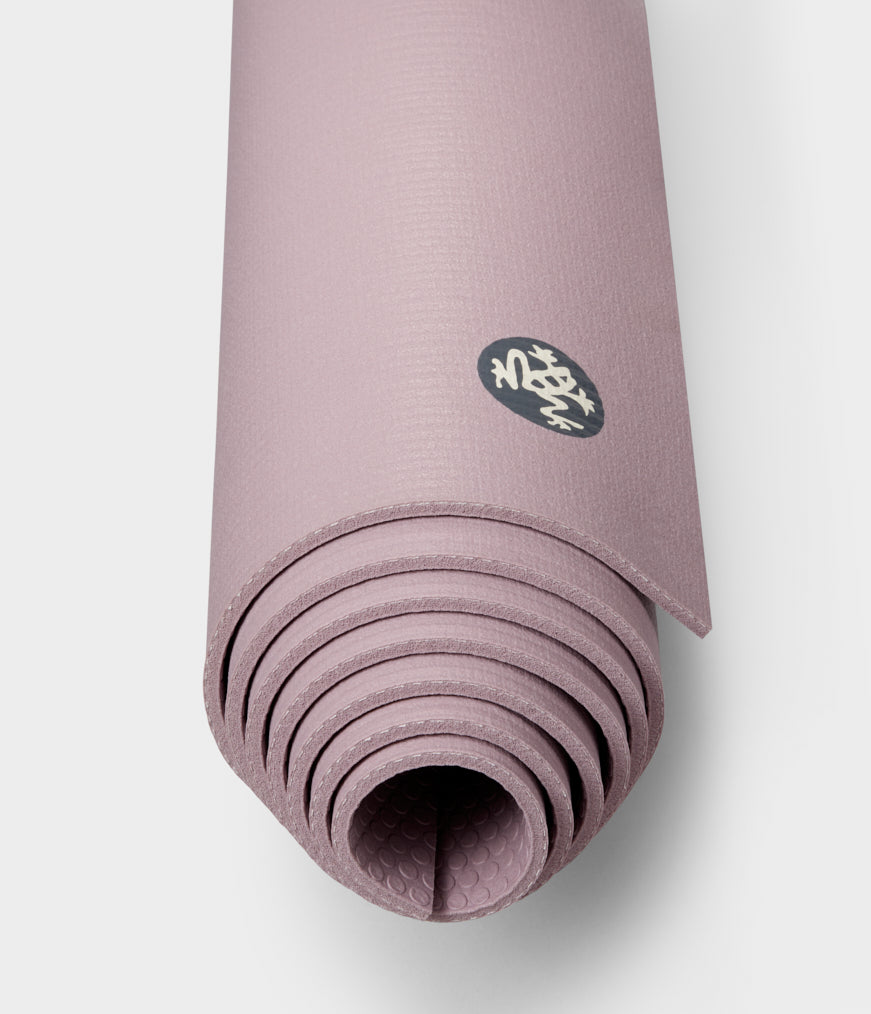
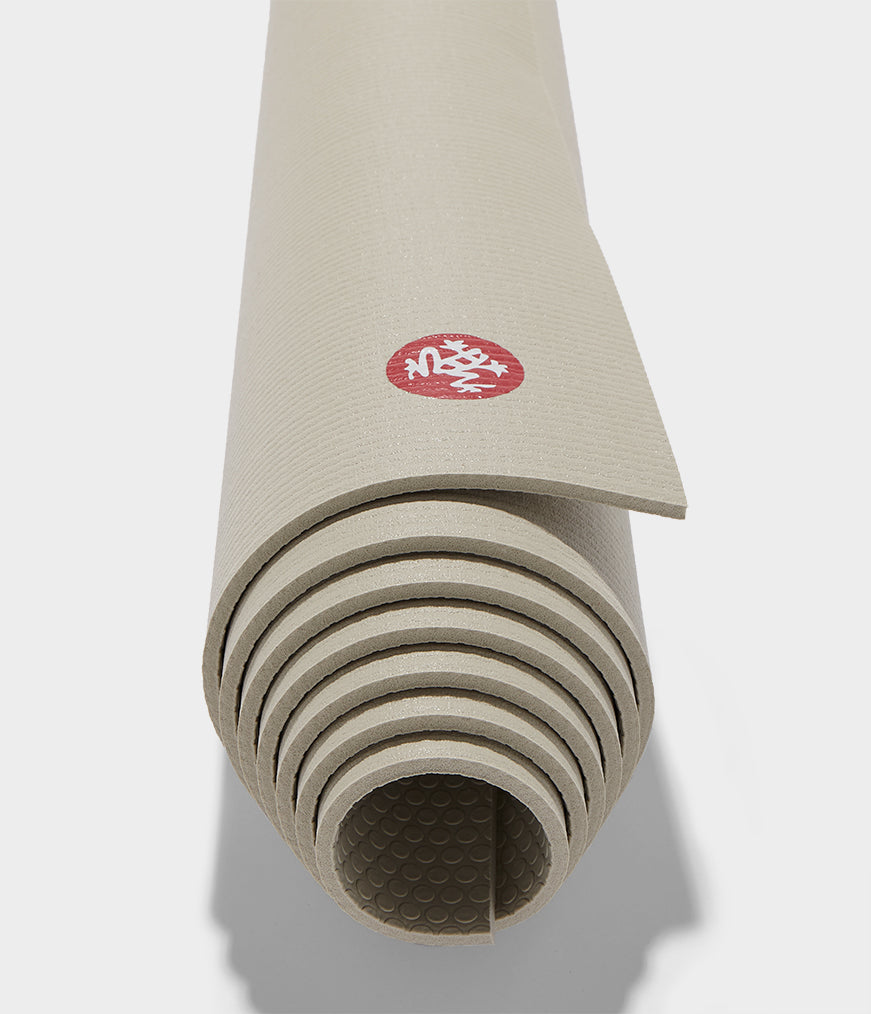
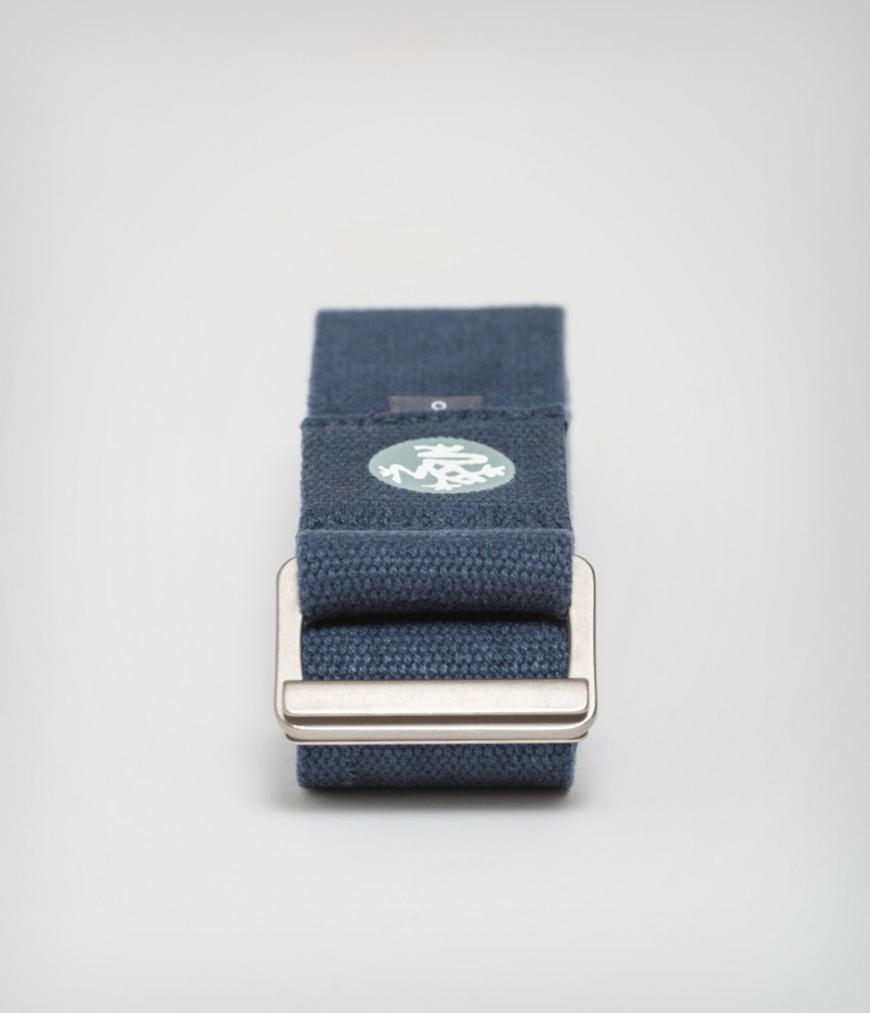
I chose Manduka because, quite simply, I’ve always found your products to be the best. I always say a good mat transforms your practice and many of our members agree and love our mats.
The fact that you’re also eco-friendly was a big part of the decision. Sustainability is something we care deeply about, so it felt important to choose equipment that aligns with our ethos and values.
Listen their curated playlist
Connect with SHALA + SAGE
- Website: www.shalasage.co.uk
- Instagram: @shala.sage
- Location: 222a Monton Road, Monton, Manchester, M30 7LJ
- Yoga Styles Offered: Vinyasa Flow, Somatic Flow, Hatha, Yin, Power Flow, Mandala Flow, Slow Flow
Partner with Manduka
Interested in bringing Manduka into your studio space? Explore our Studio Equipment Program to learn more.