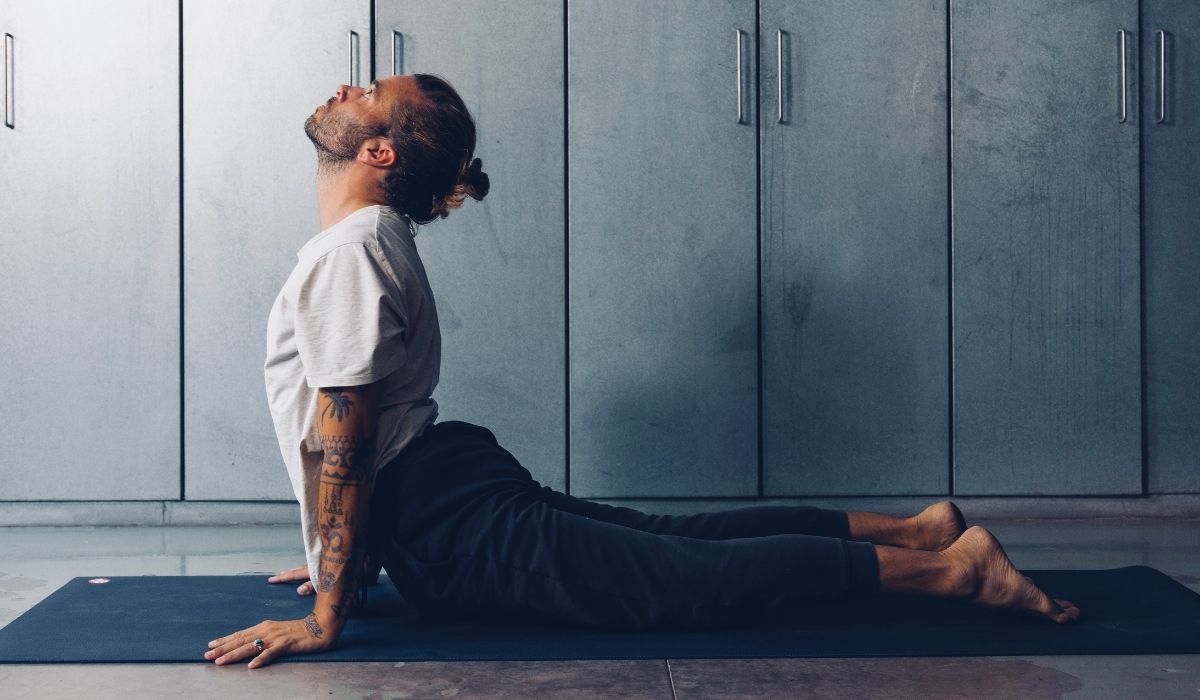
For Borja Carbo, Ashtanga Yoga is far more than a physical practice — it’s a moving meditation rooted in discipline, gratitude, and self-inquiry. Through the Mysore tradition, he guides students to explore patience, awareness, and transformation on and off the mat.
What first drew you to Ashtanga Yoga, and what made you choose this practice as your path?
After exploring other methods, I tried the Mysore style of Ashtanga — and from that moment, I never let it go. Through this practice, I truly understood what Yoga is about. It became a moving meditation, a deep mental and spiritual work that goes far beyond the physical aspect.
For someone new to Ashtanga, how would you describe the practice and what makes it unique compared to other yoga styles?
The fact that we practice in silence, without the need for a guided class, repeating the same sequences every day, helps us build discipline and, more importantly, cultivate deep inner work. The magic lies in repetition. Each day on the mat, we realize that our physical and mental state is completely different, even though the postures remain the same. In that awareness, we discover what truly needs to be worked on — patience, acceptance, and letting go.

What role does discipline and consistency play in Ashtanga, and how do you guide students through the challenges of building a steady practice?
Consistency is everything in Ashtanga. Physically, you notice how, through the daily repetition of the same postures, the body begins to respond and open up, allowing you to reach more advanced poses over time with less risk of injury.
Mentally, consistency is a value we cultivate every single day — one that we can carry into all aspects of our daily life.
Yoga can be such a powerful tool for men’s health — physically, mentally, and emotionally. How do you see yoga supporting men in particular?
Yoga completely changed my life. It’s a very demanding practice — quite the opposite of what many men might think. We work with our own body, yes, but I believe there’s nothing more complete. Physically, it develops flexibility and balance, and in Ashtanga specifically, strength and power.
When you learn to work with your bandhas and conscious breathing, the practice transforms — it becomes energetic work. The feeling is truly unique.
I believe yoga is the perfect complement to any other physical activity or sport.
As we move into the winter season, what do you personally focus on in your practice — and how can students adapt their practice during this time of year?
Personally, I don’t make a big distinction between practicing in winter or summer. I tend to adapt my practice more to external circumstances — like the time I have, my son, or when I’m traveling.
Once you truly understand and embody the method, you can make it your own. Some days that means a shorter practice — maybe just a few Sun Salutations followed by a few minutes of meditation. Sometimes, those are the most introspective and powerful practices of all.

You’ve shared your practice while traveling as well as at home in Spain. How does travel influence the way you connect with yoga and community?
Without a doubt, traveling is one of the things I love most about teaching yoga. You realize that when yoga is taught and practiced correctly —especially Ashtanga— it looks the same in any shala around the world. Yoga is a universal language.
When there’s true understanding and purpose, you see that no matter where you go, everyone shares the same intention in their practice: to heal, both physically and emotionally.
And when I speak about healing, I don’t just mean finding solutions to existing problems, but also preparing ourselves for the challenges that will inevitably come.
What are you most grateful for in your journey as a teacher and practitioner?
I feel grateful, first and foremost, as a practitioner. Grateful for a lineage that has passed down this science — this medicine — for so many years. Grateful for how yoga has touched so many lives, helping to make the world a better place.
On a personal level, I’m deeply thankful for how the practice has taught me to respond to life in a calmer and more grounded way.
For those curious about starting or deepening their Ashtanga journey, what advice or resources would you recommend?
I believe the most important thing is to find a good teacher — a guide who truly teaches the method. Someone who inspires you and helps you build your own practice, your own path.
 If you could leave readers with one message about yoga, practice, or life — what would it be?
Yoga has taught me that everything begins with gratitude. When we practice from a place of love and thankfulness, even the challenging days become opportunities to grow.
Which Manduka product(s) do you currently practice on, and what makes this mat your go-to choice?
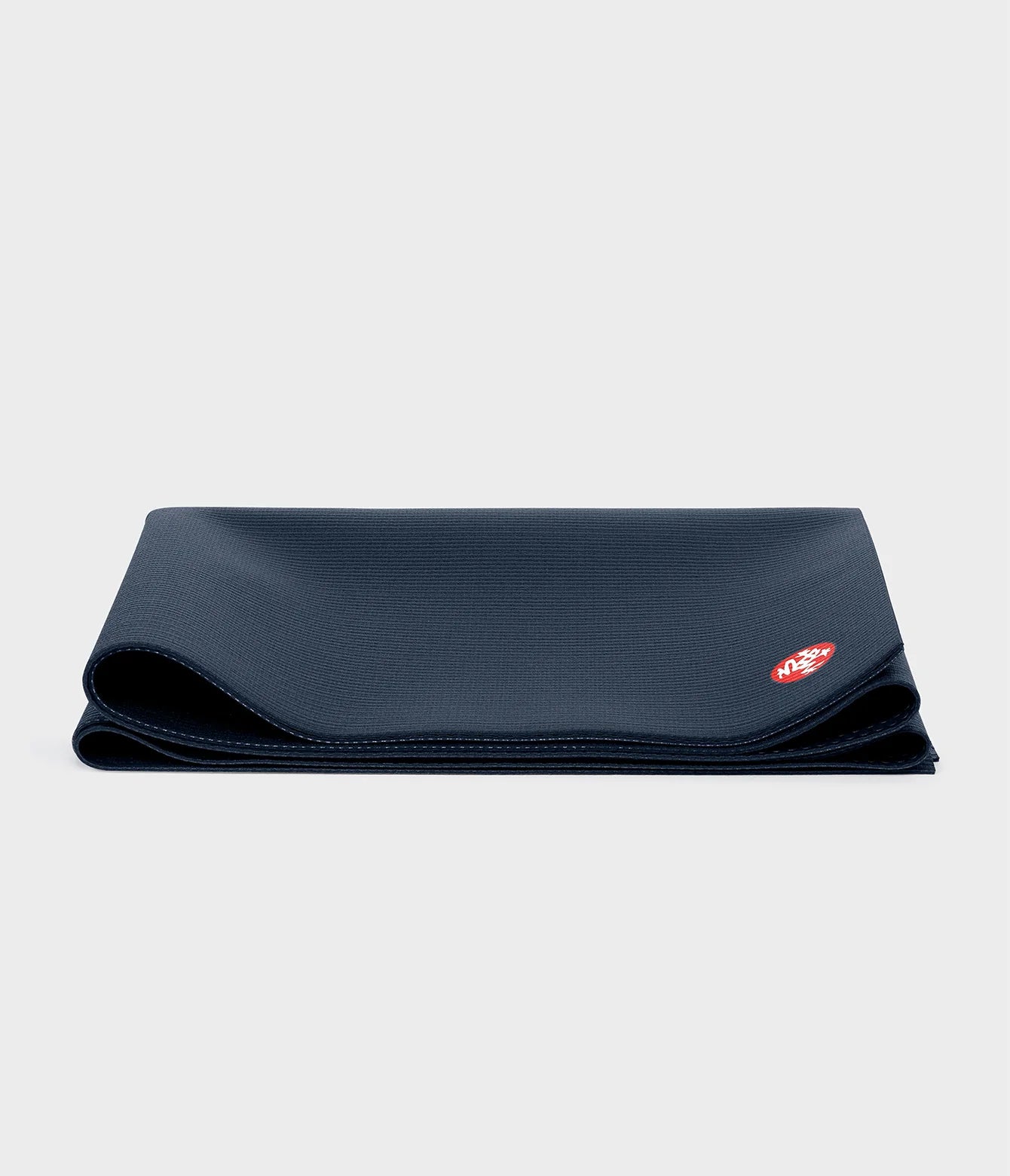
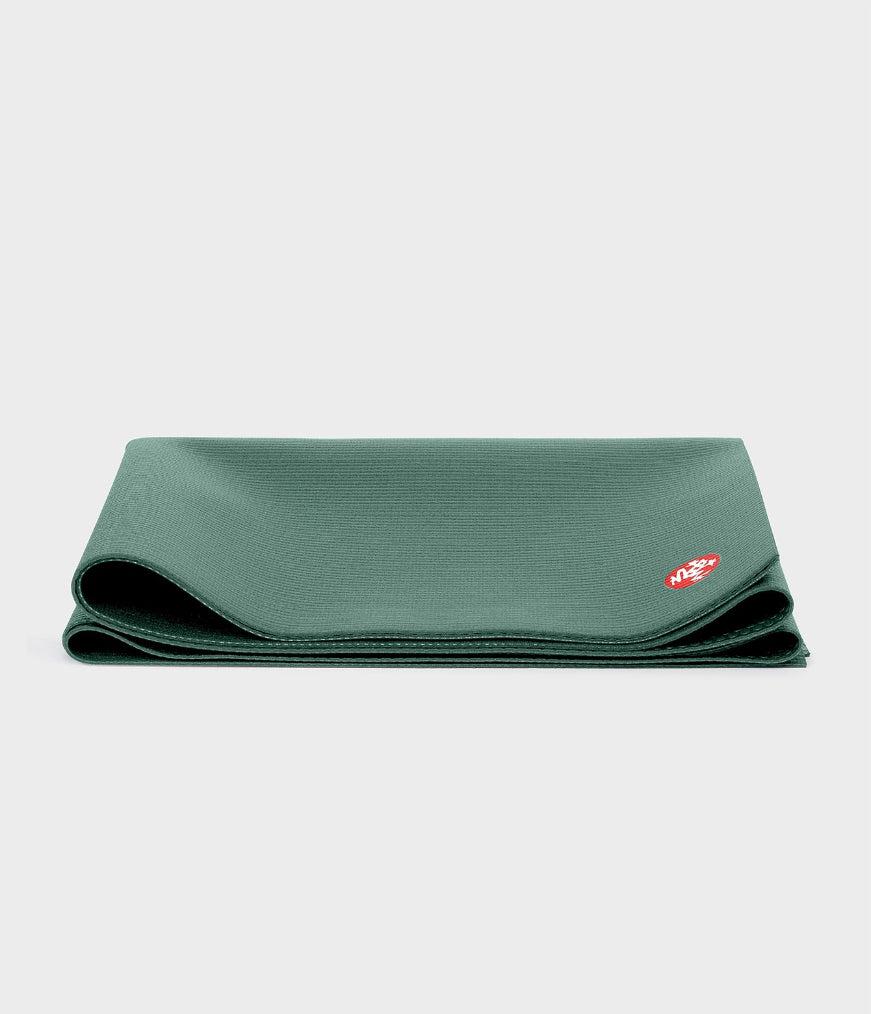
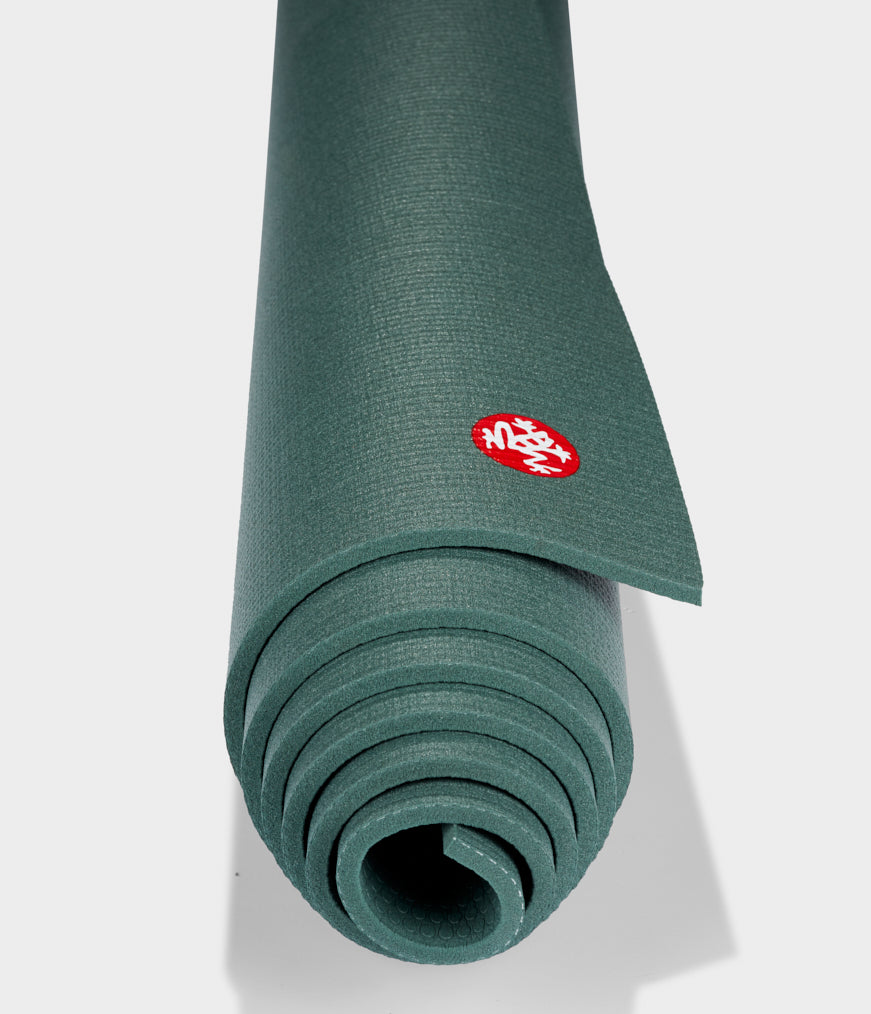
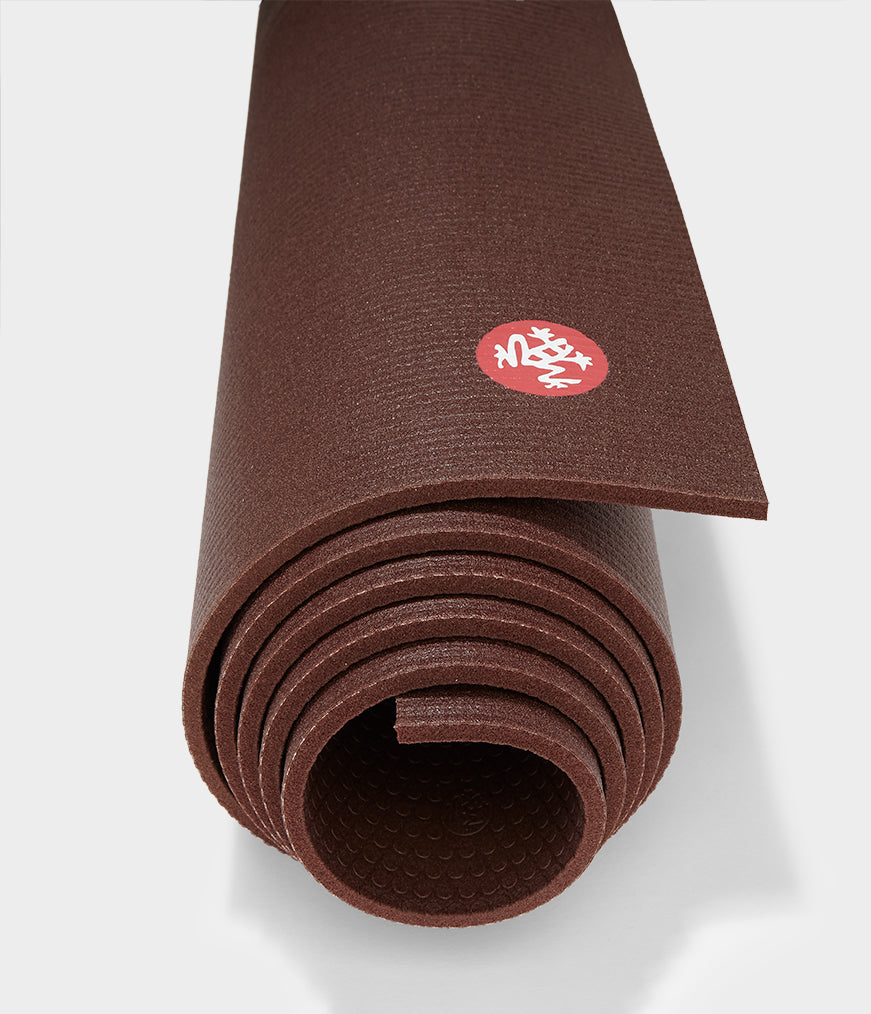
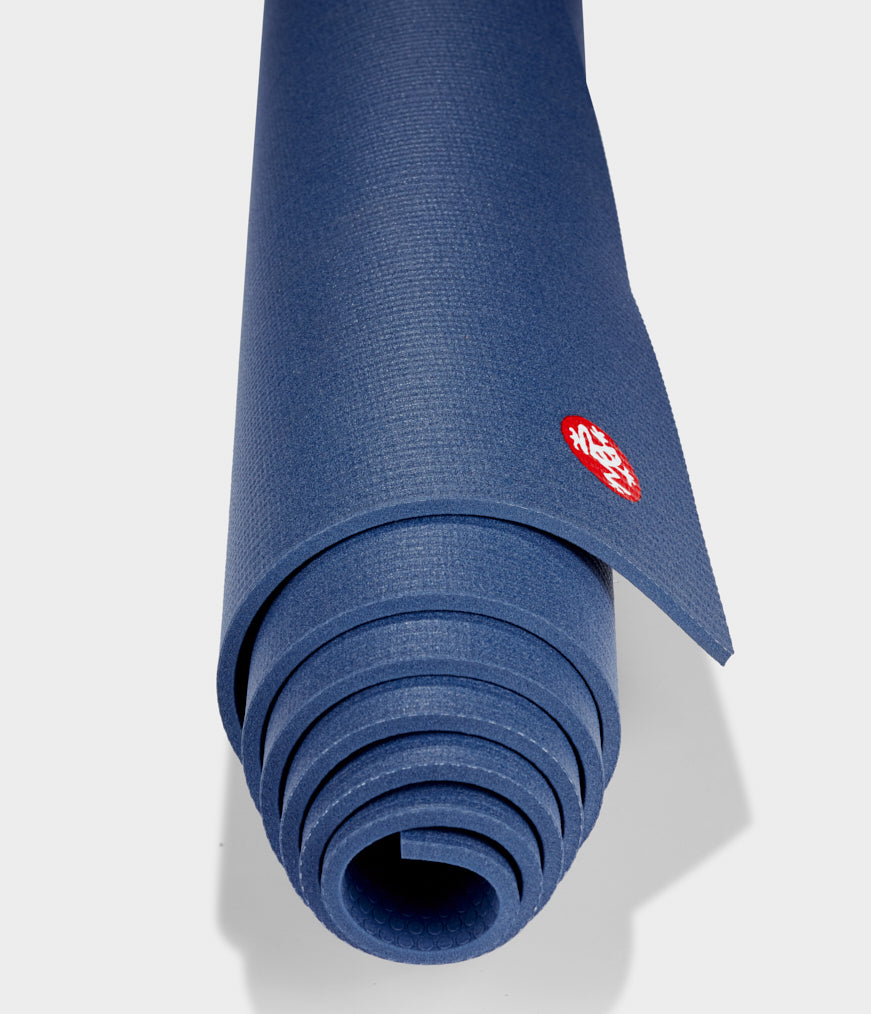
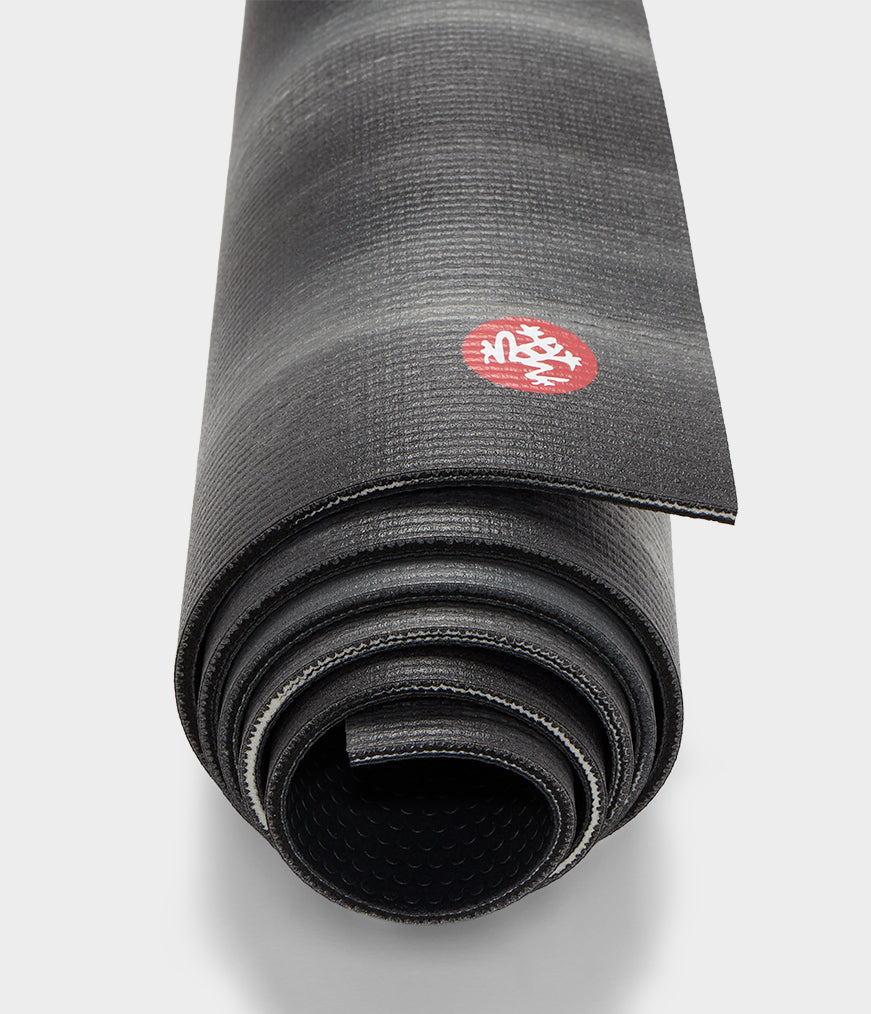
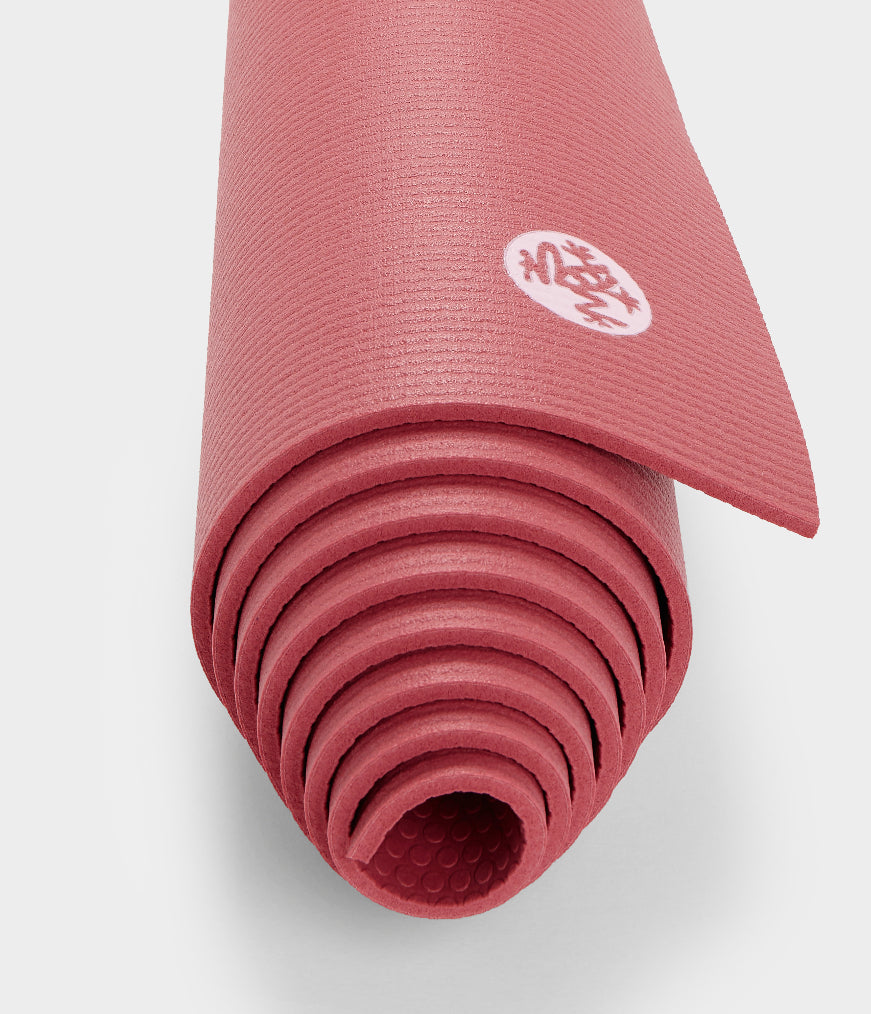
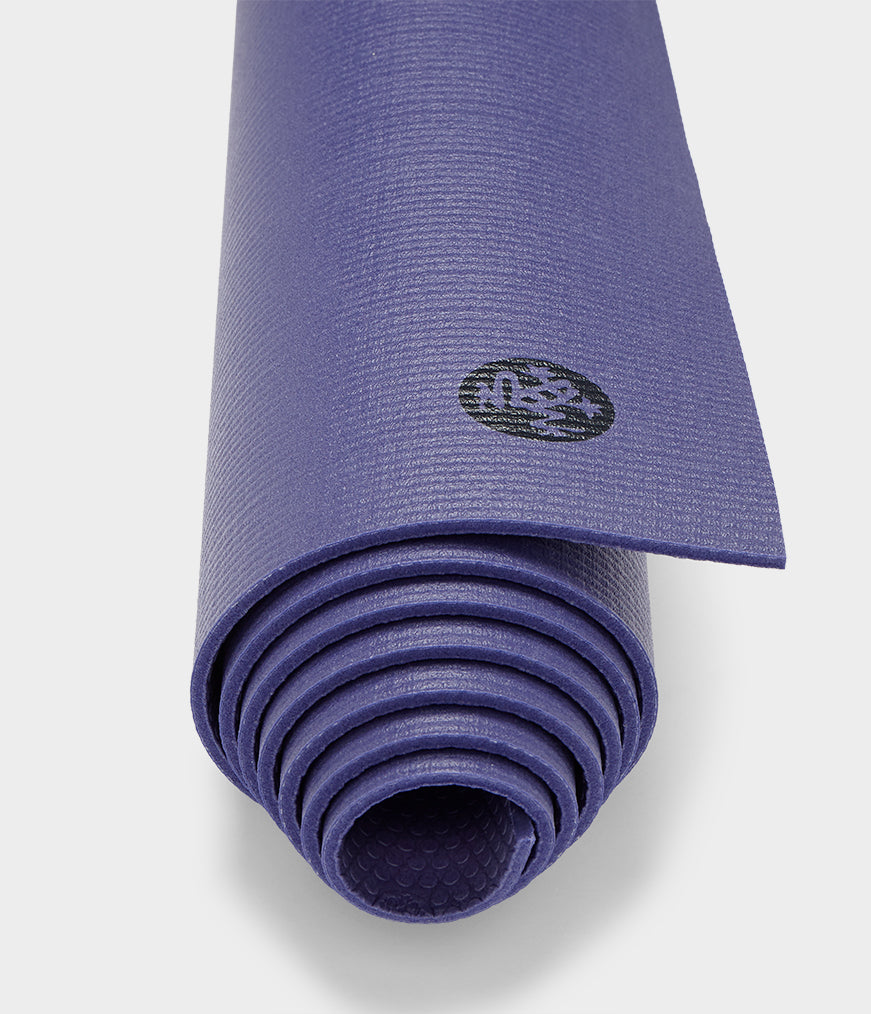
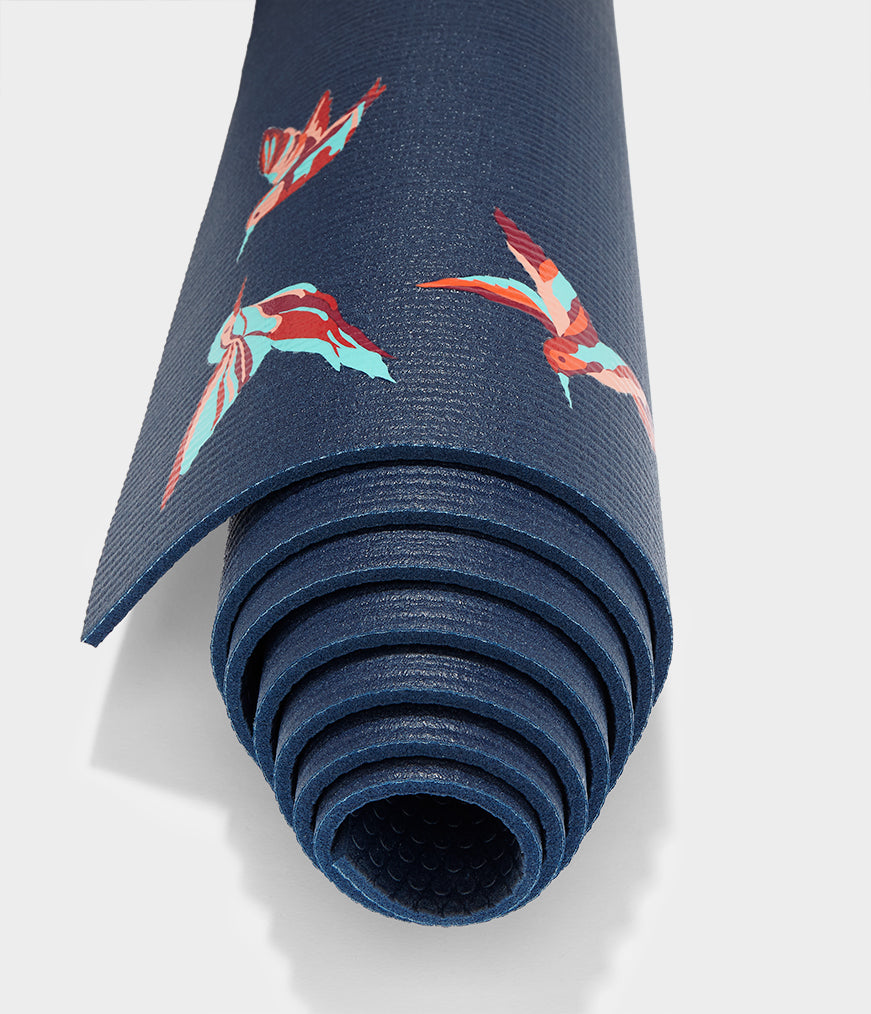
I usually practice on the Manduka PRO Lite for my daily practice and the Manduka PRO Travel when I’m on the go — I absolutely love them both!
Are there any upcoming events that you are hosting?
Right now, I’m very focused on a new Mysore program I recently opened in Barcelona, as well as an intensive I’ll be leading in Zaragoza at the end of November.
Looking ahead to 2026, I’m still finalizing the structure for several workshop and retreat requests — including Madrid, Palma de Mallorca, Canarias, Costa Brava, Mexico, and possibly a retreat in Turkey.
Practice on
Follow along to a 20-minute practice focused on mastering your transitions with Borja (in Spanish).
Listen
Connect
Website: www.borjacarboyoga.com
Instagram: @borjacarboyoga
Learn more about Manduka Teacher Programs here.