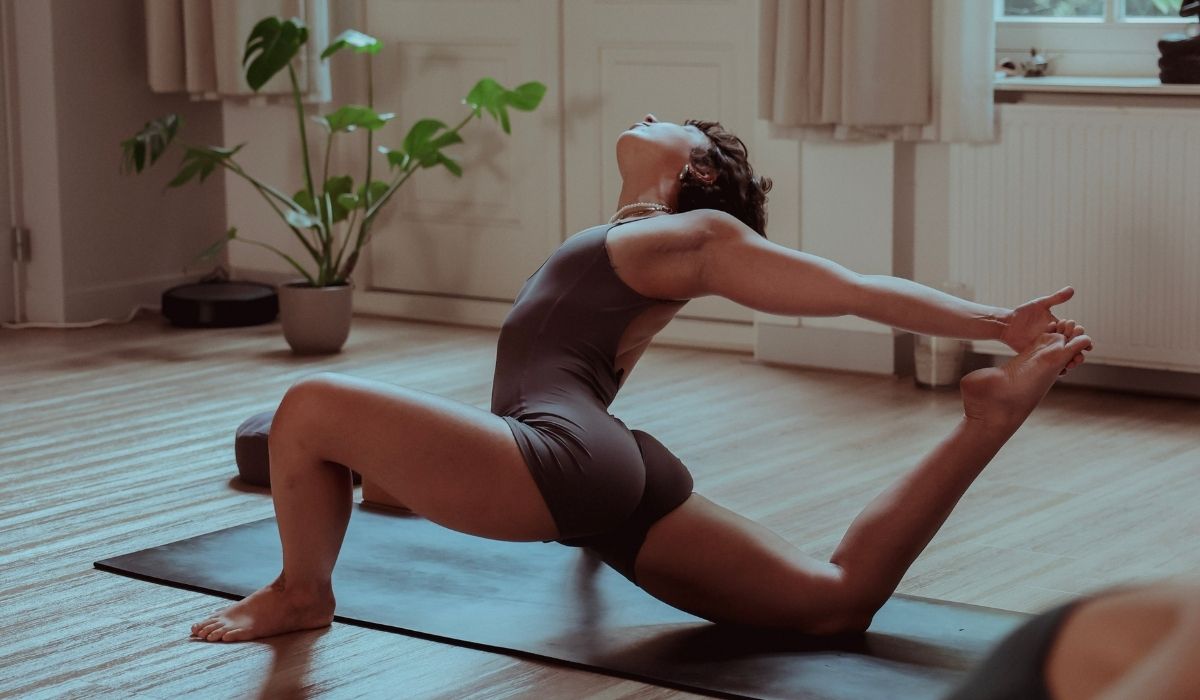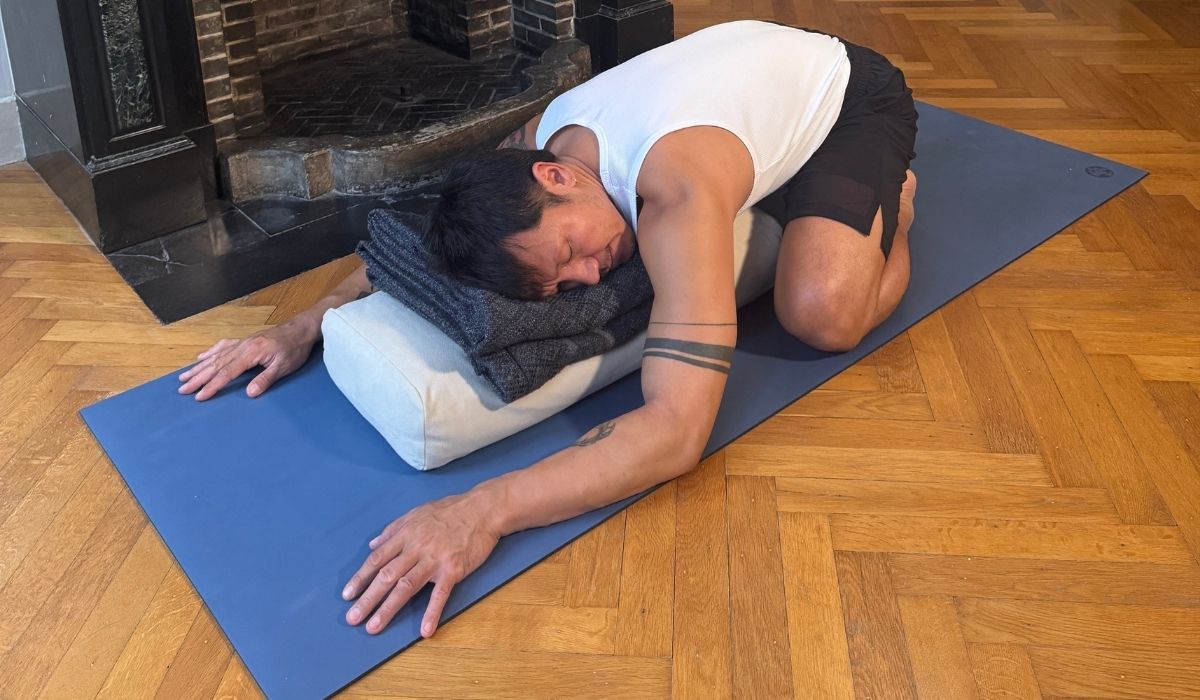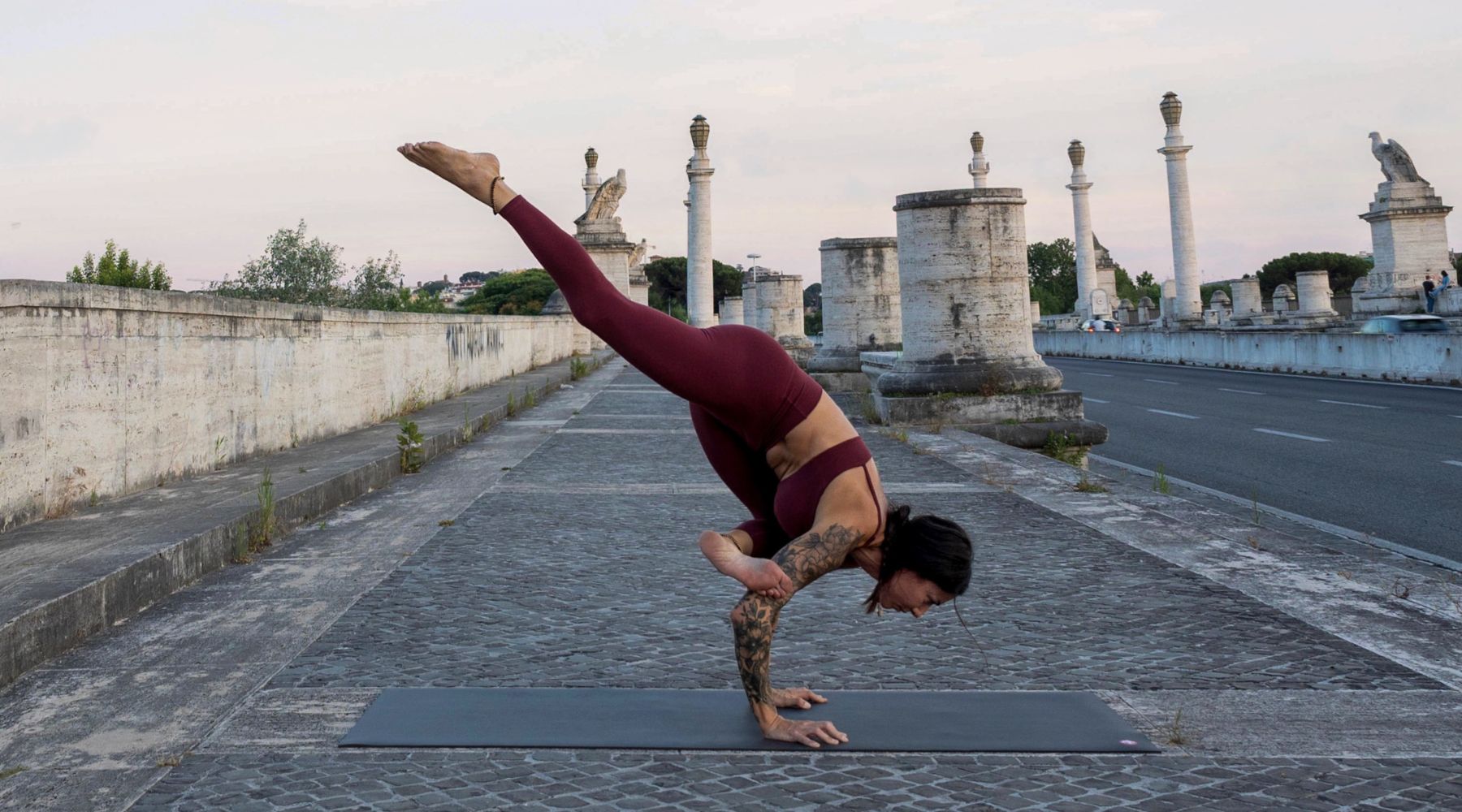
This is part of our Yoga Style Guide series, exploring diverse practices and the teachers who bring them to life. Whether you're deepening your current practice or discovering something new, these guides are here to inform and inspire. This edition features teacher Josefina Nano.
Kundalini Yoga is often called the yoga of awareness. It combines rhythmic movement, intentional breath, mantra, and meditation to awaken inner energy and help you relate to life from a clearer, more grounded place.
Rather than focusing only on flexibility or strength, Kundalini works directly with the nervous system and subtle body. Through breath and repetition, the practice supports shifts in how you feel, think, and show up in everyday life.
The concept of kundalini energy comes from ancient yogic traditions. The form of Kundalini Yoga practiced widely today became more accessible in the late 1960s, when structured sequences known as kriyas were shared with a wider community of students.
From Exhaustion to Essence
Many people come to Kundalini Yoga not just looking for exercise, but seeking a different way of living in their own skin.
Through rhythmic movement, breath, and mantra, the practice invites you to reconnect with your body and inner energy. Over time it supports greater presence, emotional balance, and compassion toward your own needs.
“For me, Kundalini is not about doing more,” Josefina shares. “It’s about learning to live from yourself instead of constantly running away from your own needs. We work with the different bodies (physical, mental, emotional) so that women can step out of chronic fatigue and back into their vital force.”

The Core Elements of Kundalini Practice
A Kundalini Yoga session combines several key elements that work together to support vitality and inner balance.
-
Kriyas: structured sequences of postures and movements, usually repeated for a set time, designed to create specific physical and energetic effects (for example, grounding, releasing tension, or building inner fire).
-
Pranayama: breathwork patterns like Breath of Fire, long deep breathing, or segmented breathing that help balance the nervous system and support emotional regulation.
-
Mantra: repeated sound currents, chanted out loud or internally, that help focus the mind and stabilize your inner state.
-
Meditation: still or subtly moving meditations that combine mudras (hand gestures), eye focus, and breath to refine awareness.
Over time, this mix of elements supports not only physical vitality, but also clarity, emotional balance, and a sense of connection to something larger than your everyday worries.
Kriya: A Journey Within
In many yoga practices, you might move freely from one pose to the next. In Kundalini, the heart of the practice is the kriya, a structured sequence of posture, breath, and repetition practiced for a specific amount of time.
Each kriya has an intention: strengthening the nervous system, balancing the glandular system, opening the heart, clearing mental fog, or cultivating a state of calm alertness.
Rather than chasing a “perfect” shape, students are invited to stay with the sensation and observe what arises.
“Kriyas are like small journeys,” Josefina explains. “You meet your mind, your limits, your stories. And breath by breath, you realize you are larger than all of them.”

What a Kundalini Class Looks Like
-
Tuning in: Opening with a simple mantra to center the mind and connect with the intention of practice.
-
Gentle warm-ups: Movements for the spine, shoulders, hips, and neck to awaken circulation and prepare the body.
-
Main kriya: A sequence of postures and movements (sometimes dynamic, sometimes more static) coordinated with specific breathing techniques.
-
Relaxation: A deep rest on the mat to let the nervous system integrate the work.
-
Meditation: Often including mantra, mudra, or focused breath to settle awareness and seal the practice.
The challenge in Kundalini is often internal. The practice invites you to stay present, breathe through sensation, and witness your thoughts without reacting.
How Kundalini Supports Daily Life
Kundalini Yoga is not only about what happens on the mat. Its aim is to change how you experience your life. Through breath, mantra, and spinal movement, the practice can help:
-
Regulate the nervous system and reduce stress
-
Build emotional resilience and mental clarity
-
Increase vitality and focus
-
Strengthen connection with intuition
Josefina sees these shifts in the women she works with. “Many arrive feeling exhausted physically, mentally, and emotionally. Over time, they begin to reclaim their energy. They make different choices. They relate to themselves with more tenderness and truth. The practice becomes a bridge from survival mode to a more spacious, aligned way of living.”

Starting Your Kundalini Practice
If you are new to Kundalini Yoga, Josefina recommends starting gently and practicing consistently.
You might begin with:
-
3–7 minutes of simple spinal movements in the morning (like spinal flexes or gentle twists) linked with long, deep breathing.
-
A short mantra meditation, repeating a phrase silently or out loud while focusing on the breath.
-
One foundational kriya practiced regularly—choosing something designed for grounding, energy, or stress relief, rather than the most physically demanding option.
Most importantly, approach the practice with curiosity and kindness toward yourself.
“You don’t have to arrive feeling calm or 'spiritual',” she says. “You just have to arrive as you are. The practice knows what to do with that.”
Detox Kriya Kundalini Yoga Practice
Through dynamic movement, breath, and focused awareness, this kriya helps release stored tension and emotions such as anger, frustration, and stress, while supporting the free flow of prana, or life force energy, throughout the body.
The series of movements stimulates the glands, digestive system, and nervous system, promoting healing, vitality, and emotional balance. It also strengthens the core, spine, and legs, supporting both physical and energetic stability.
By practicing this kriya, you create a deep internal cleanse that revitalizes your system, enhances mental clarity, and supports emotional resilience.
Meet Josefina
Josefina is a Kundalini Yoga instructor and the founder of SOM (The Sombrero Galaxy), an online yoga studio dedicated to sustainable wellbeing and inner transformation.
For more than eighteen years she has explored the relationship between body, energy, and consciousness as real pathways for change. Today she supports women who are ready to step out of burnout, reconnect with their essence, and take loving ownership of their lives.
Instagram: @josefina_nano
Interested in exploring other movement practices? Check out our full Yoga Style Guide series for more insights into diverse modalities and the teachers bringing them to life.